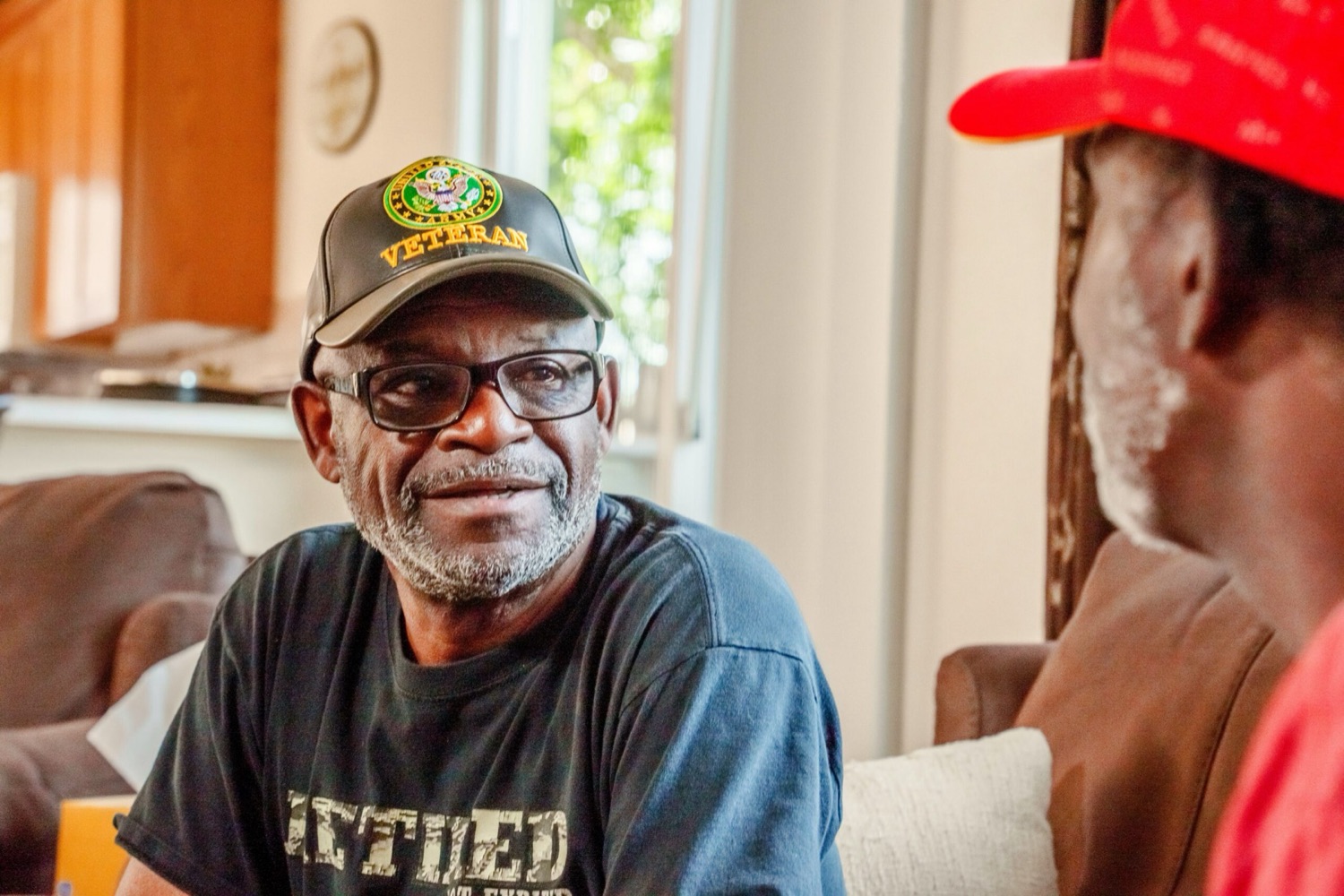

Giving is often seen as something we do for others, but in behavioral health and addiction recovery, giving also becomes a powerful source of healing for the person offering it. Acts of service help restore purpose, build self-worth, and strengthen connection, all essential components of lasting recovery.
At ThriveNow Recovery Centers, we see firsthand how giving back becomes a meaningful part of addiction recovery for individuals across Des Moines, Pleasant Hill, Iowa City, and greater Iowa.
How Giving Back Helps People Rebuild Purpose in Recovery
Addiction can leave people feeling disconnected from themselves and others. Many people entering treatment struggle with a deep sense of lost purpose. Rebuilding purpose in addiction recovery is one of the most important emotional milestones in the healing process.
Volunteering and service help repair that disconnection by creating a sense of contribution and belonging. Research consistently shows that helping others supports emotional wellness, lowers stress, and strengthens relapse prevention. When people struggle with feeling connected in recovery, service is often one of the most effective answers.
Giving in recovery does not have to be large or complicated. It can look like:
- Volunteering in the community
- Supporting a peer in treatment
- Helping at a sober event
- Offering encouragement to someone new in recovery
Each act reinforces accountability and strengthens recovery identity.
The Behavioral Health Benefits of Service
From a clinical standpoint, giving activates many of the same reward systems in the brain that substances once artificially stimulated, but in a healthy, sustainable way. This is especially important for individuals receiving behavioral health treatment in Iowa, where rebuilding natural sources of motivation is key to long-term wellness.
Service also:
- Reduces isolation
- Builds routine and structure
- Strengthens emotional regulation
- Improves self-esteem and confidence
These benefits support both mental health and addiction treatment outcomes and play a meaningful role in long-term relapse prevention.
How to Start Giving Back Safely at Different Stages of Recovery
For many people, the question is not whether giving helps, but how to start giving back in recovery in a way that feels safe and sustainable. The answer often lies in small, structured acts of service that match a person’s stage of healing.
Whether someone is in drug rehab in Des Moines, transitioning to outpatient care, or living in long-term recovery in Iowa City, giving can be tailored to their current needs and stability.
Early in treatment, service may focus on small, consistent actions like helping peers during group sessions or supporting daily responsibilities. As recovery stabilizes, individuals often expand service into community-based volunteering and mentoring.
These experiences reinforce the truth that recovery is not just about abstaining from substances. It is about rebuilding purpose and connection.
Creating a Culture of Service at ThriveNow
At ThriveNow Recovery Centers, service is woven into the recovery process. Clients learn that giving strengthens accountability, builds trust, and creates meaningful connection. Through structured peer support and community engagement, individuals begin to see how their recovery can positively impact others.
Giving back in addiction recovery is one of the most meaningful ways people strengthen both purpose and long-term sobriety. If you are wondering how to rebuild purpose and connection in recovery, ThriveNow’s treatment programs are designed to support both emotional healing and long-term sobriety.
Giving as a Foundation for Long-Term Sobriety
Recovery is not something we do alone. It thrives in connection, accountability, and purpose. Giving helps transform recovery from a personal struggle into a shared journey of healing and contribution.
If you are seeking support or want to begin your recovery journey, our admissions team is here to help.